 Profile 01
Online stores and retailers
Businesses that sell on Shopify, on their website or in a physical shop and need orders, stock, payments and invoices in sync.
Integrations and API development
Each piece of data, entered once.
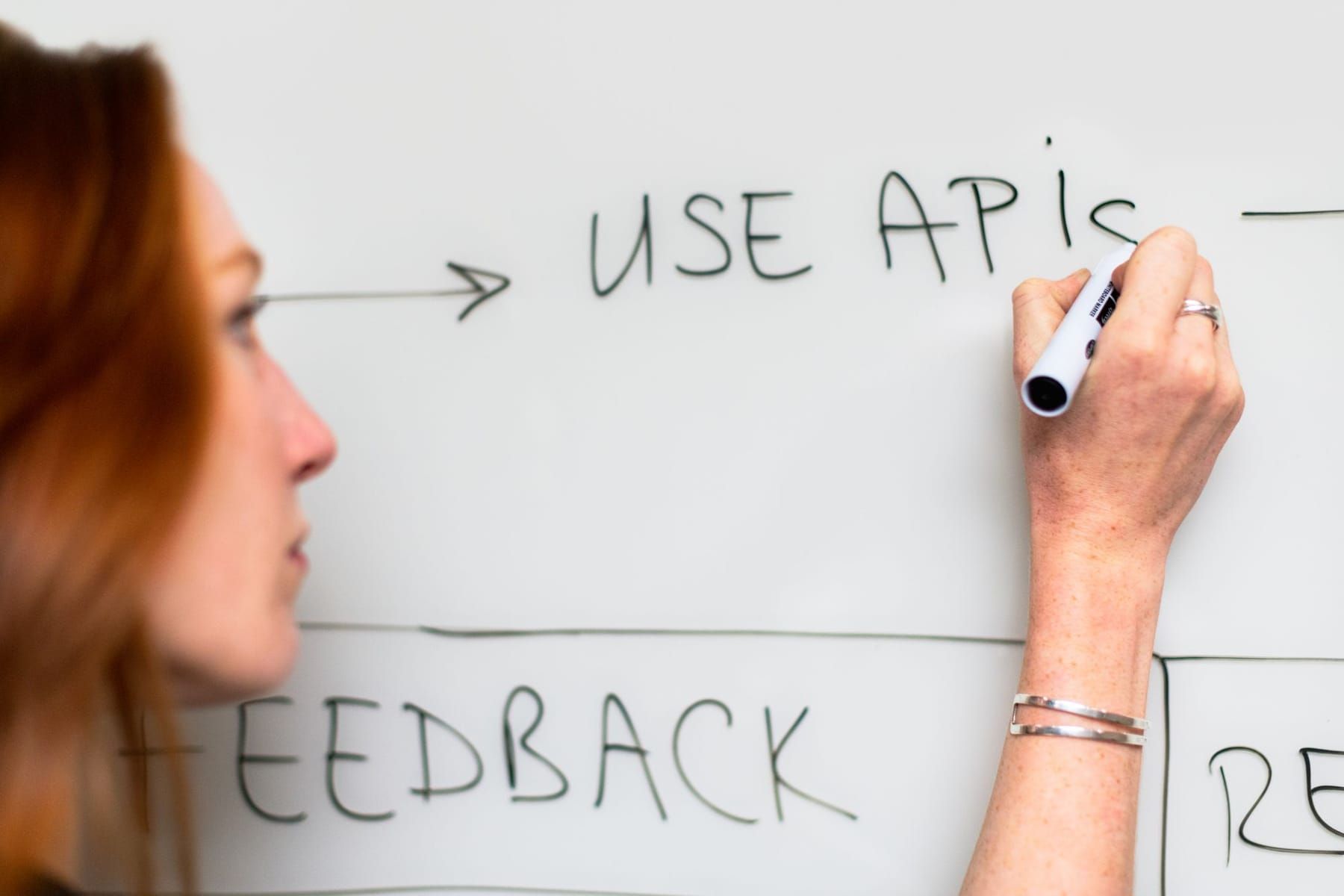
We connect payment gateways, e-invoicing, online stores, CRM, ERP, WhatsApp and advertising platforms through APIs and webhooks, with error handling and a log of every sync.



System integration is what stops your team spending the day copying orders from the store to the ERP, payments from the gateway to the accounts or WhatsApp contacts to the CRM. Each piece of data is entered once and gets where it's needed on its own, with a log that shows what happened if something fails.
In New Zealand we integrate accounting tools such as Xero and MYOB, e-invoicing over the Peppol network and gateways such as Stripe or Windcave, including Apple Pay, Google Pay or Afterpay when the gateway offers them. We also connect WhatsApp Business Platform, Shopify, Google Ads, Meta Ads and the CRM or ERP you already use.
When needed, we build your own documented API so customers, partners or apps can connect to your data securely, or an MCP server so AI assistants can work with it. Every integration includes retries, alerts, protected credentials and documentation so it doesn't depend on one person.
The challenge
Before we propose anything, we look at where money or time is being lost. These are the problems we find most often.
 Challenge 01
Orders, payments and customers are copied by hand between the store, the ERP and the accounts, with errors, delays and hours nobody gets back.
 Challenge 02
Card, Afterpay and bank transfer payments arrive through different channels, and matching them to orders and invoices takes hours every week.
 Challenge 03
A connection stops working because of an API change or an expired credential, and nobody finds out until a customer complains.
 Challenge 04
Changes to GST rules, e-invoicing formats and what Inland Revenue requires mean adapting the software, often at short notice.
Every piece of data your team types twice is an error waiting to happen.
What we do
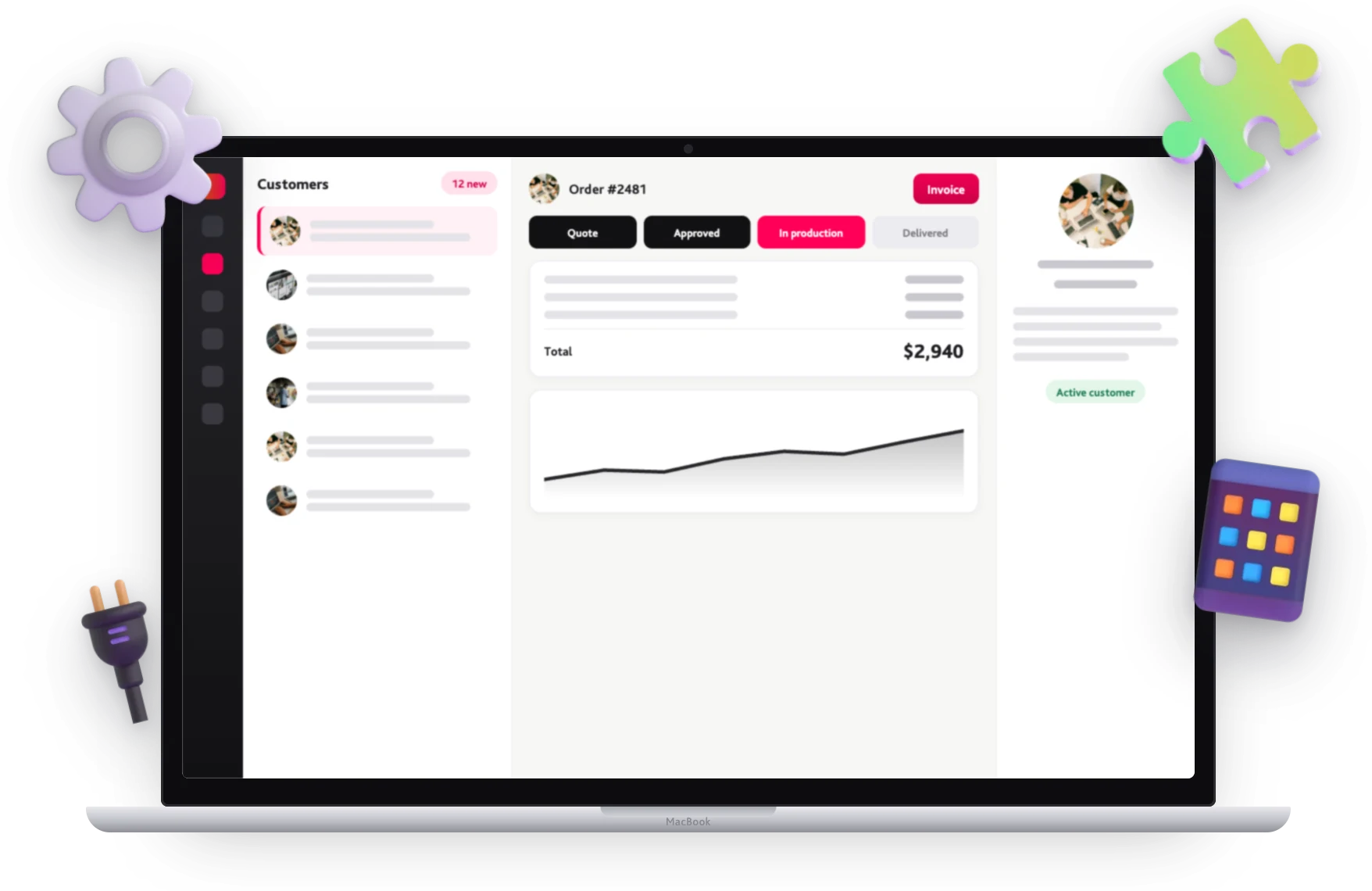
We connect payments, e-invoicing, your store, CRM and WhatsApp so your data moves between systems on its own.
 01
We map which systems you use, what data travels between them, in which direction and how often, and find duplicates, gaps and places where data is typed in by hand today.
02 Payment integration with Stripe, Windcave or the gateway you already use, with automatic confirmation by webhook, refunds and reconciliation with orders and invoices.
 03
Automatic issuing of invoices and credit notes with GST, synced with Xero or MYOB or sent as e-invoices over the Peppol network through your access point provider, with a log of every submission.
 04
Orders from Shopify or your own store that reach the ERP by themselves, notifications via WhatsApp Business Platform at every status change and contacts created in the CRM with no manual step.
 05
We design and document your API so apps, partners or customers can access your data with permissions, and MCP servers so AI assistants can work with Google Ads, Meta Ads, Xero or your systems.
 06
A log of every sync, automatic retries, alerts when something fails and updates when a provider changes its API, so the integrations keep working over time.
How we work
Each phase ends with a deliverable you review and approve, so you always know where your project stands.
We review your systems, their available APIs and the data that must travel between them, with its rules.
We define which system owns each piece of data, how conflicts are resolved and what happens when a connection fails.
We build the integration in each provider's test environment and test it with real cases and error cases.
We switch on with production credentials, watch the first syncs and fix any data discrepancies.
We monitor errors, renew credentials and adapt the integration when a provider or a tax rule changes.
What's included
What we measure and report
A monthly report in plain language and an up-to-date dashboard whenever you need it.
Who it's for
Profile 01 Businesses that sell on Shopify, on their website or in a physical shop and need orders, stock, payments and invoices in sync.
 Profile 02
Companies with an ERP, a CRM or custom software that has to talk to gateways, e-invoicing or third-party tools.
Profile 03 Platforms that need a public API, webhooks or an MCP server so customers, partners or AI assistants can connect.
Industries where we use it most
Real projects
Projects by our team where this service played a key part.
See all workOmnichannel AI CRM for selling over chat
View case studyYetiTech
View case studyMobile-wallet payments dashboard for businesses
View case studyKeep exploring



Custom software
Our integrations and APIs assessment shows you exactly what to improve first, with priorities and timelines.
FAQ
It depends on whether both systems have a documented API, the volume of data, how many rules have to be applied and how critical the process is. A simple integration between two modern tools costs far less than connecting an old system with no API. After reviewing your systems we give you a fixed quote, with maintenance itemised separately.
We work with the gateways commonly used in New Zealand, such as Stripe and Windcave, which accept cards and, depending on the provider and your contract, Apple Pay, Google Pay, Afterpay and other methods. We help you choose based on fees, payment methods and type of business, and connect payment confirmation to your orders and your invoicing.
Yes. We integrate your sales system with Xero or MYOB through their APIs, or with an access point provider on the Peppol network, which New Zealand uses to exchange e-invoices between accounting systems. That way every sale generates its invoice automatically, with a record of its status. If you don't have a provider yet, we help you choose one based on your volume and your system.
A webhook is an automatic notification one system sends to another when something happens: an approved payment, a new order or a message received. Thanks to it, your system reacts instantly instead of asking every few minutes whether anything is new. Implemented well, with signature verification and retries, it prevents lost payments and duplicate orders.
It happens often, which is why every integration includes monitoring and alerts. We follow the change notices from the main providers, test new versions before the previous one stops working and, with a maintenance plan, make the necessary changes without you having to keep an eye on it.
Yes. We design APIs with authentication, per-client permissions, rate limits and clear documentation, so your apps, partners or customers can connect securely. If you want assistants such as Claude or ChatGPT to work with your data, we also build an MCP server with defined permissions on the same foundation.
Let's talk
We reply with specific questions and, if we're a good fit, a clear proposal: what we'd do, in what order, on what timeline and for what budget.
We reply within one business day with what we need to know.
A 30-minute meeting to understand your business and your goals.
A written proposal with plan, timeline and fixed budget.
Ask AI about us
 Loguimark