 Profile 01
Founders with a validated idea
Entrepreneurs with interested customers or a process proven by hand who need to turn it into a product that can be sold.
SaaS development · Digital product
First make it work; then make it scale.
We build multi-tenant SaaS platforms with subscriptions, roles, an admin panel and an architecture that stands up to growth, starting with a first version your customers can pay for.

SaaS development doesn't end when the software works: it has to be sold, billed and maintained for many customers at once. That's why we design, right from the start, the separation of data between companies, the plans and subscriptions, the permissions and the panel your team provides support from.
We have built real SaaS products: a multi-country platform for GPS fleet tracking and telemetry, an omnichannel CRM with AI for multiple companies, an OTT live TV platform with a web panel and a neighbourhood marketplace with ordering via WhatsApp. We know the problems of a SaaS show up as the customers grow, not with the first one.
We start with a first version focused on the problem your customers would pay to solve, launch it early and expand using usage data. We use Next.js, Django or Node.js, PostgreSQL and Redis, with Docker deployment and billing through Stripe or, when a local gateway suits your market better, Windcave.
The challenge
Before we propose anything, we look at where money or time is being lost. These are the problems we find most often.


 Challenge 01
The first version was built in a hurry with no separation of data by customer, and now every new company means patches, copies of the system or risky migrations.
 Challenge 02
Sign-ups, renewals, plan changes and failed payments are handled with spreadsheets and bank transfers, and every month revenue slips away without anyone noticing.
 Challenge 03
Months of development on features that seemed essential, while what customers really needed is still sitting on the to-do list.
 Challenge 04
With ten customers everything was fine; with more users, data and background jobs, the system slows down and every deployment is nerve-racking.
A SaaS is designed for customer one hundred, even if it starts with one.
What we do
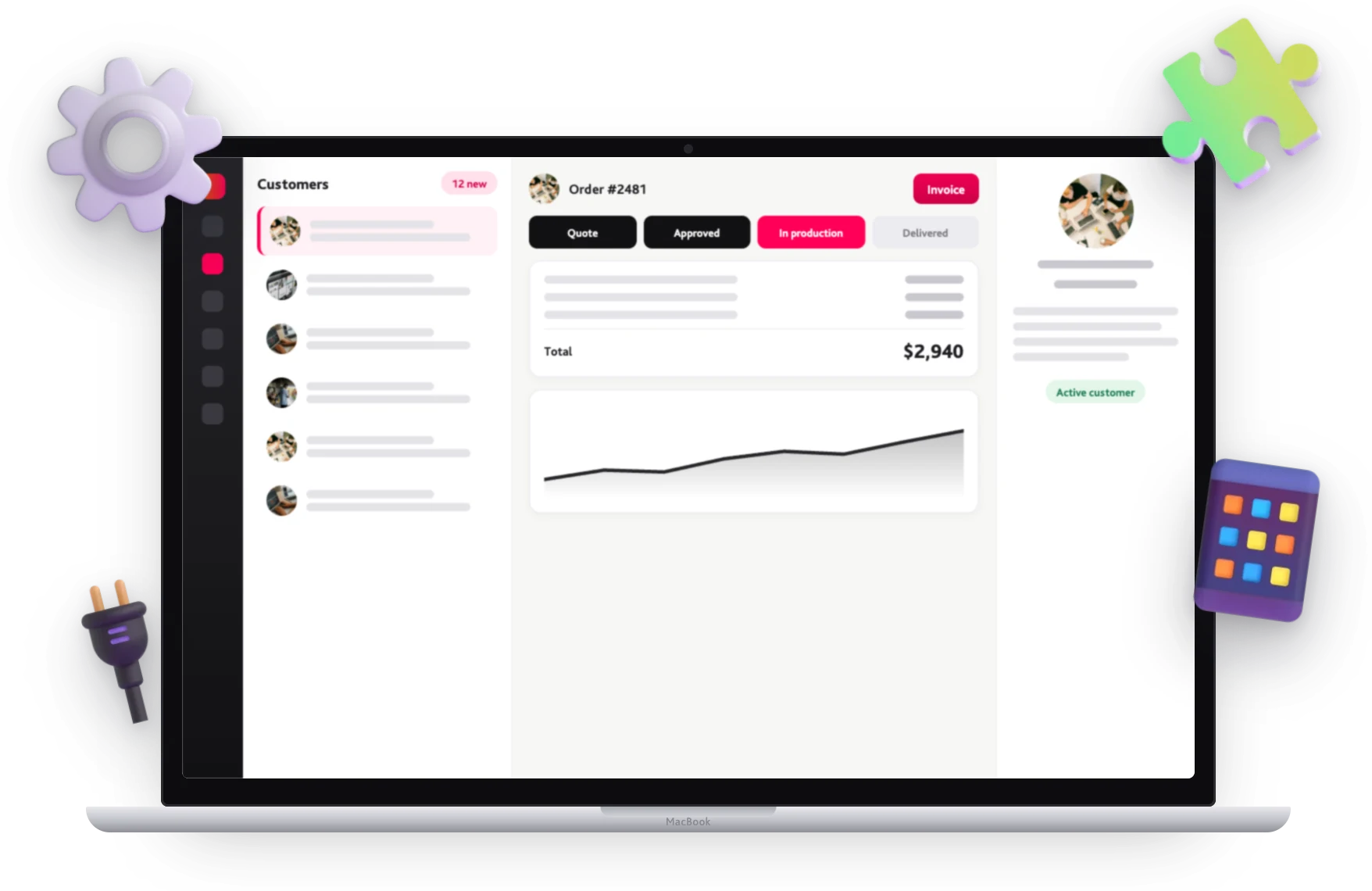
We design and build your SaaS product: multi-tenant, subscriptions, roles and a technical foundation ready to grow.
 01
We define with you the ideal customer, the problem they pay to solve and the minimum set of features to launch, with a version plan and metrics to decide what to build next.
 02
Each customer with their own separate data, users, roles and settings, on a technical foundation with PostgreSQL and Redis ready to add companies without copying the system.
03 Plans, trial periods, plan changes, invoices with GST and failed-payment handling with Stripe or with the local gateway that supports recurring billing for your case.
 04
An internal panel to onboard customers, see their usage, change plans, resolve issues and log into their account with permission, without touching the database by hand.
 05
A documented API so your customers can connect their systems, webhooks, integrations with WhatsApp, email or payments and, if the product calls for it, mobile or Android TV apps.
 06
Docker deployment, staging and production environments, backups, logs and alerts, encryption of sensitive data and planned updates so your customers aren't interrupted.
How we work
Each phase ends with a deliverable you review and approve, so you always know where your project stands.
We validate the problem, the ideal customer and the pricing model, and define the features of the first version.
We design the experience and the multi-tenant technical foundation, with billing, roles and security built in from the start.
We build in short releases until there is a product your first customers can use and pay for.
We set up the infrastructure, product analytics and support, and stay close through the first sign-ups.
We prioritise improvements using usage data and customer feedback, and strengthen performance and security as the customer base grows.
What's included
What we measure and report
A monthly report in plain language and an up-to-date dashboard whenever you need it.
Who it's for
Profile 01 Entrepreneurs with interested customers or a process proven by hand who need to turn it into a product that can be sold.
Profile 02 Businesses with an internal system that works and who want to offer it to other companies as a subscription service.
Profile 03 Products that grew on a fragile foundation and need to redo architecture, billing or performance without losing their customers.
Industries where we use it most
Real projects
Projects by our team where this service played a key part.
See all workIn-house GPS tracking and telemetry platform
View case study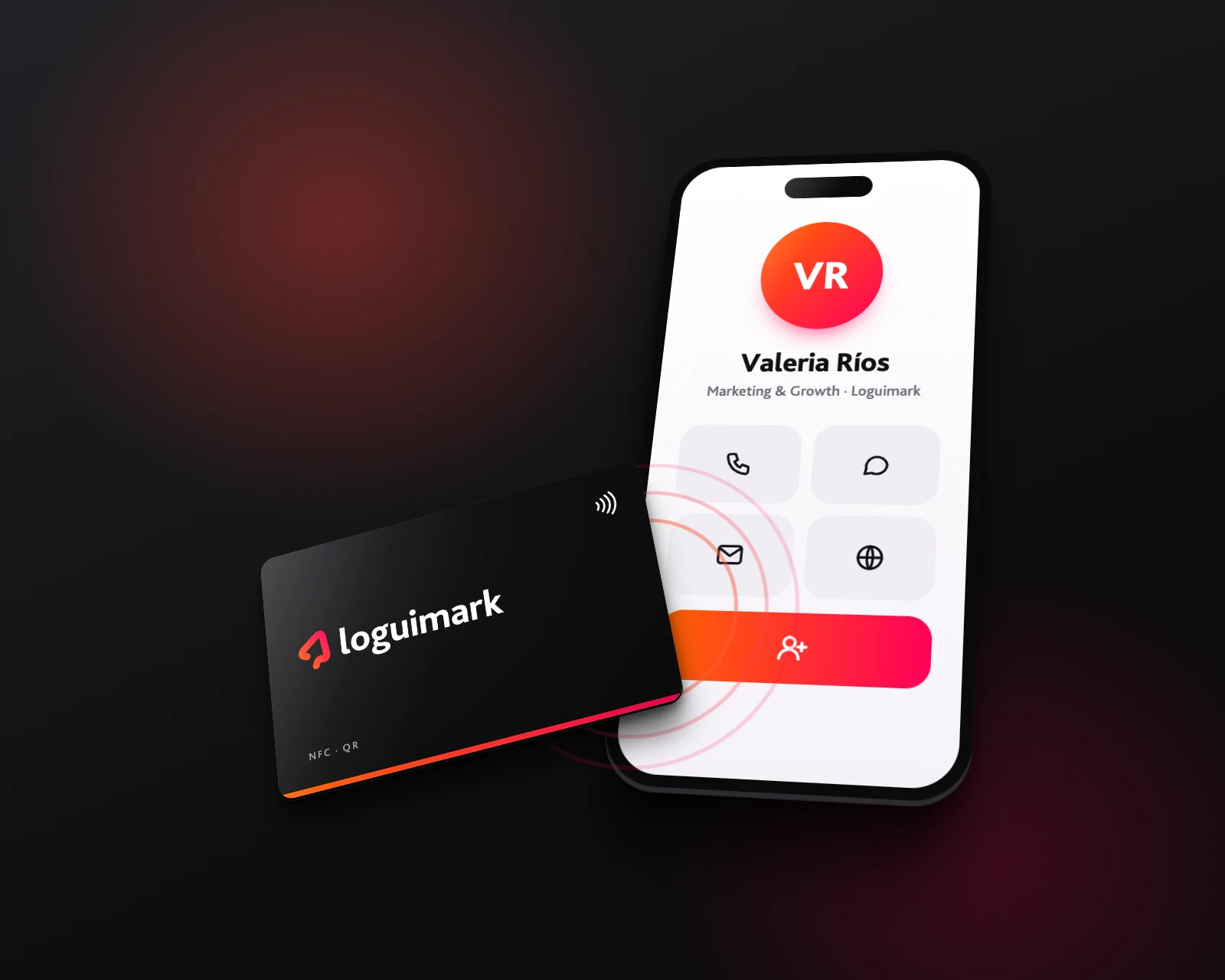
Loguimark NFC
View case studyApp for professional drivers in Spain
View case studyKeep exploring


Custom software
Our SaaS platforms assessment shows you exactly what to improve first, with priorities and timelines.
FAQ
It depends on the scope of the first version, the integrations, whether there are mobile apps and the security requirements. We recommend starting with a tightly scoped first version on a fixed quote and expanding using usage data. Beyond development, bear in mind the monthly costs of servers, third-party services and payment gateway fees.
An MVP, or minimum viable product, is the first version with just enough to solve the main problem and have a customer pay for it. Starting there reduces risk: you launch sooner, learn from real users and decide with data what to build next. That said, we design it on a foundation that can grow without redoing everything.
It means a single platform serves many customers at once and each one sees only their own data, users and settings. Designed well, it lets you add companies without installing copies of the system, update everyone at once and offer different plans. Designed badly, it leads to data leaking between customers; that's why we define it from the start.
We usually use Stripe, which handles subscriptions, invoices and card payments in New Zealand dollars and other currencies. When a local gateway fits better, we work with providers such as Windcave, which accept cards and, depending on the provider, Apple Pay, Google Pay or other methods. We choose based on your markets, the fees and whether the gateway supports recurring billing for your model.
A focused first version is usually in the hands of the first customers within a few months, depending on the scope and the integrations. What speeds a project up most is being clear about what problem it solves and for whom. We work in releases, so you can show the product to prospective customers before the official launch.
Yes. The code, the infrastructure, the service accounts and your customers' data are all in your company's name. This matters especially in a SaaS: it is your product and your main asset, and if you seek investment or sell the company, clear ownership of the software is essential.
Let's talk
We reply with specific questions and, if we're a good fit, a clear proposal: what we'd do, in what order, on what timeline and for what budget.
We reply within one business day with what we need to know.
A 30-minute meeting to understand your business and your goals.
A written proposal with plan, timeline and fixed budget.
Ask AI about us
 Loguimark